

By Harper Perez
Temecula, nestled in Riverside County, sits in a unique climate zone where semi-arid meets Mediterranean—hot dry summers, cooler mild winters, and seasons shaped by the landscape, ocean, and changing climate. Here’s a look into what defines our local weather patterns, seasonal shifts, and environment-related challenges.
Climate and Seasonal Patterns
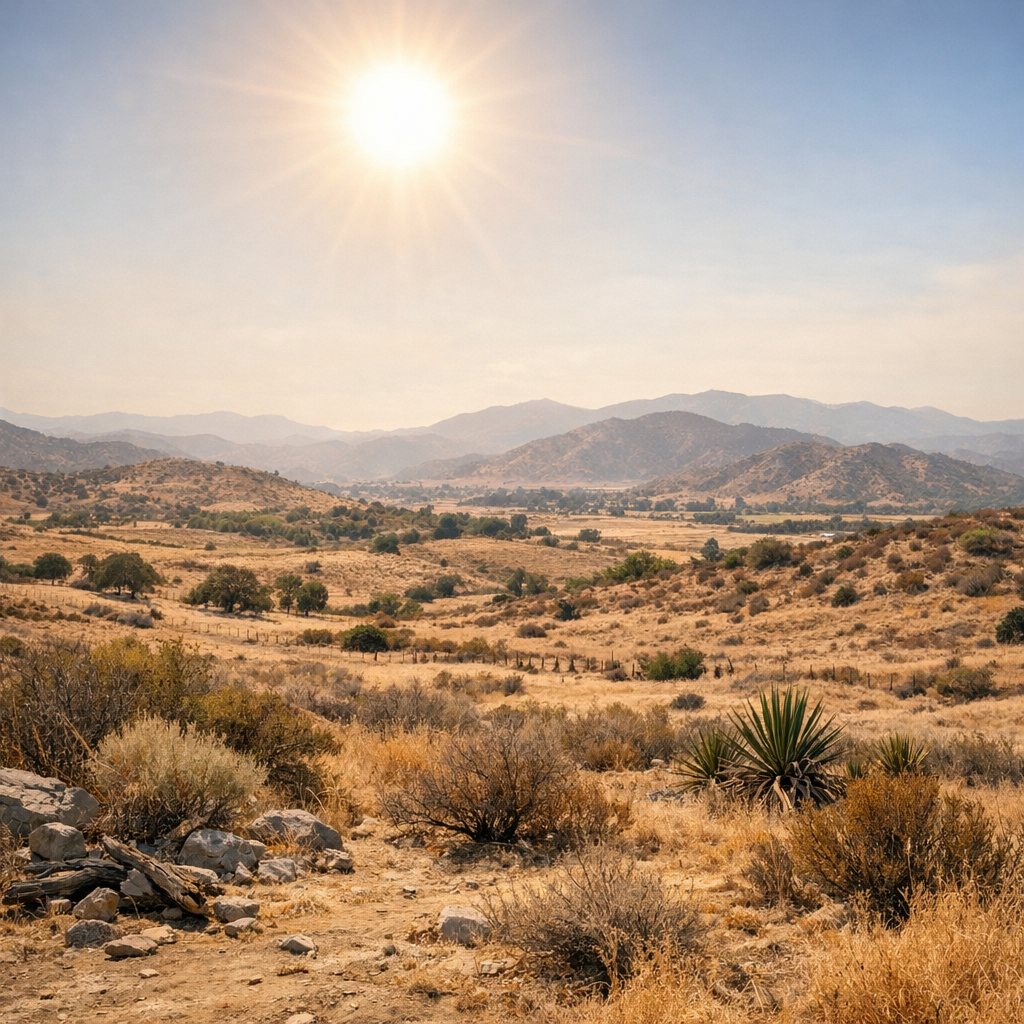
Temecula’s climate is classified as hot semi-arid (Köppen BSh). Summers tend to be long, hot, and dry, while winters are mild with most rainfall. Typically, the wettest months stretch from November through March, and June tends to be the driest.
Morning fog or a marine layer can be common in May and June—burning off by midday to clear skies. From July into early fall, monsoonal moisture sometimes drifts northward, bringing isolated thunderstorms and a spike in humidity, though total rain from these is often limited.
Wind and Fire Risk
Temecula’s position near inland mountain ranges means it’s exposed to two dominant wind risks. One is the Santa Ana flow in late fall and winter—hot, dry winds coming from the desert that can heighten fire danger. The other is seasonal winds associated with broader atmospheric patterns that strengthen during summer heat waves.
Environmental Challenges and Trends
Climate change is gradually amplifying existing traits. Projections show more frequent days of extreme heat—especially above 95ºF—and longer dry intervals that raise drought stress for local ecosystems and strain on water supplies. Meanwhile, fire seasons are creeping toward year-round risk rather than being confined to specific months.
Variability in rainfall continues to be a defining feature. When heavy winter storms arrive, especially during El Niño years, intense downpours can lead to flash flooding and temporary erosion. During dry spells, local vegetation turns particularly vulnerable, especially invasive grasses that fuel fires and threaten native plants.
What Residents Can Do
Take action where it makes sense—both as individuals and as a community:
- Stay informed about heat advisories and air quality, particularly during summer and strong Santa Ana episodes.
- Practice water-wise gardening and landscaping, using native or drought-tolerant species able to survive long dry stretches.
- Support and follow city planning efforts to strengthen wildfire mitigation, stormwater management, and sustainable building codes.
- Maintain and protect open spaces like Temecula Creek, which play a key role in wildlife corridors and help buffer climate impacts.
By understanding how weather, seasons, and environmental trends connect in Temecula, we can better prepare for changes ahead—and protect the nature and neighborhoods we share for years to come.