
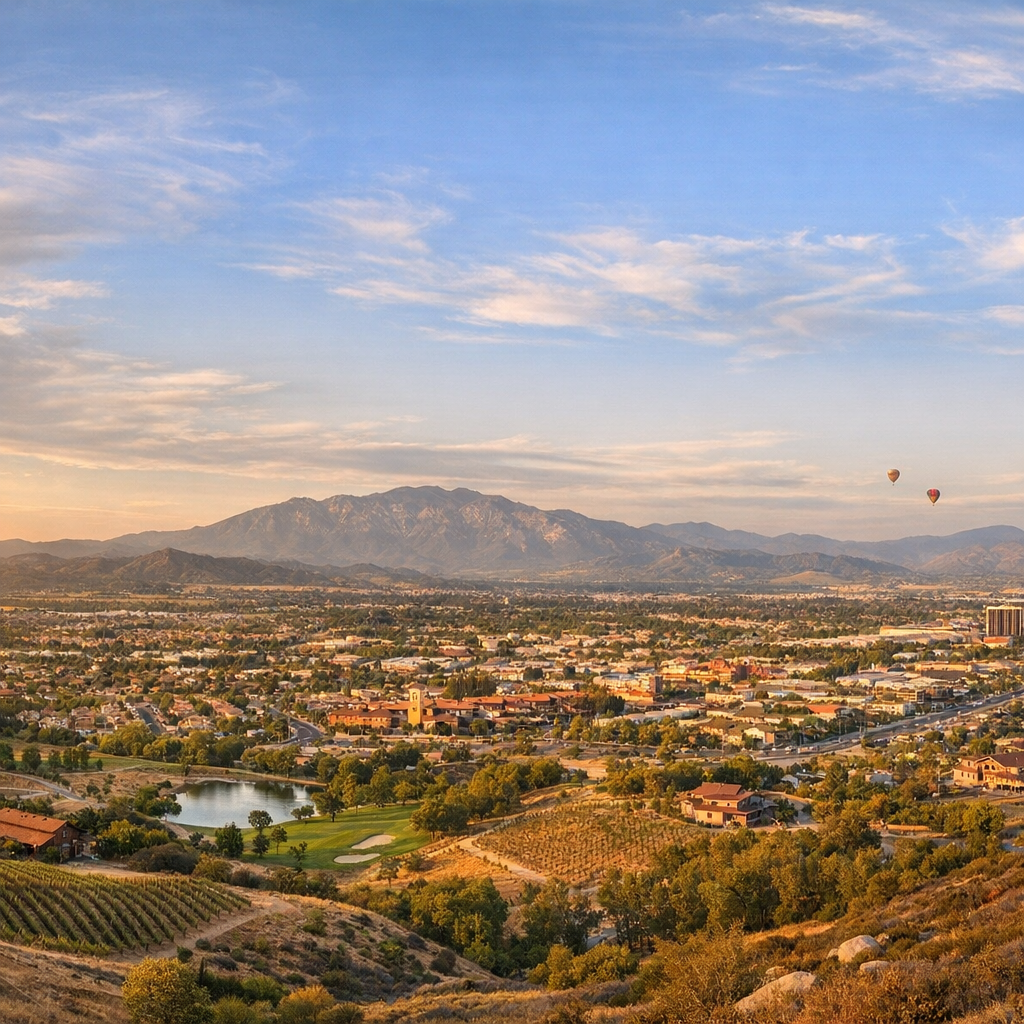
Temecula, nestled in Southern California, boasts a climate that significantly influences its lifestyle and environment. Characterized by a hot semi-arid climate, the city experiences warm summers and mild winters, with most precipitation occurring between November and March. This climate supports a diverse range of flora and fauna, contributing to the region’s natural beauty.
Climate Overview
Temecula’s climate is marked by distinct seasonal variations:
- Summer (June to September): Temperatures often rise above 90°F (32°C), with July and August being the hottest months. Rainfall is minimal during this period.
- Winter (December to February): Temperatures are cooler, averaging around 67°F (19°C) during the day and dropping to approximately 42°F (6°C) at night. February typically sees the highest rainfall.
These patterns influence local agriculture, outdoor activities, and water resource management.
Environmental Initiatives
Recognizing the importance of preserving its natural environment, Temecula has implemented several initiatives:
Sustainability Plan
Adopted in 2010, the city’s Sustainability Plan focuses on areas such as air resources, energy conservation, green building practices, and water resource management. The plan aims to conserve water and energy, encourage green buildings, expand alternative transportation opportunities, increase open space, promote better air quality, and reduce waste.
Stormwater Management
The Stormwater Division works to keep Temecula’s streets, neighborhoods, and waterways clean, safe, and thriving. Stormwater—the rain and irrigation runoff that flows across the city—can carry pollutants into local creeks, rivers, and the Santa Margarita River if not properly managed. The division’s mission is to protect public health, prevent flooding, and preserve Temecula’s natural beauty, while ensuring the city meets state and federal stormwater regulations.
Multiple Species Habitat Conservation Plan (MSHCP)
Established in 2004, the MSHCP covers 1.2 million acres in western Riverside County, aiming to protect 146 species. The plan provides certainty in the development process, compliance with environmental regulations, local control of the environmental process, and secures open space.
Murrieta Creek Flood Control Project
This project aims to provide 100-year level flood protection through channel improvements and a flood control basin. It also includes environmental restoration efforts, such as wetland restoration and habitat connectivity, and recreational components like sports parks and trails.
Through these initiatives, Temecula demonstrates a commitment to balancing growth with environmental stewardship, ensuring a sustainable future for its residents and natural habitats.